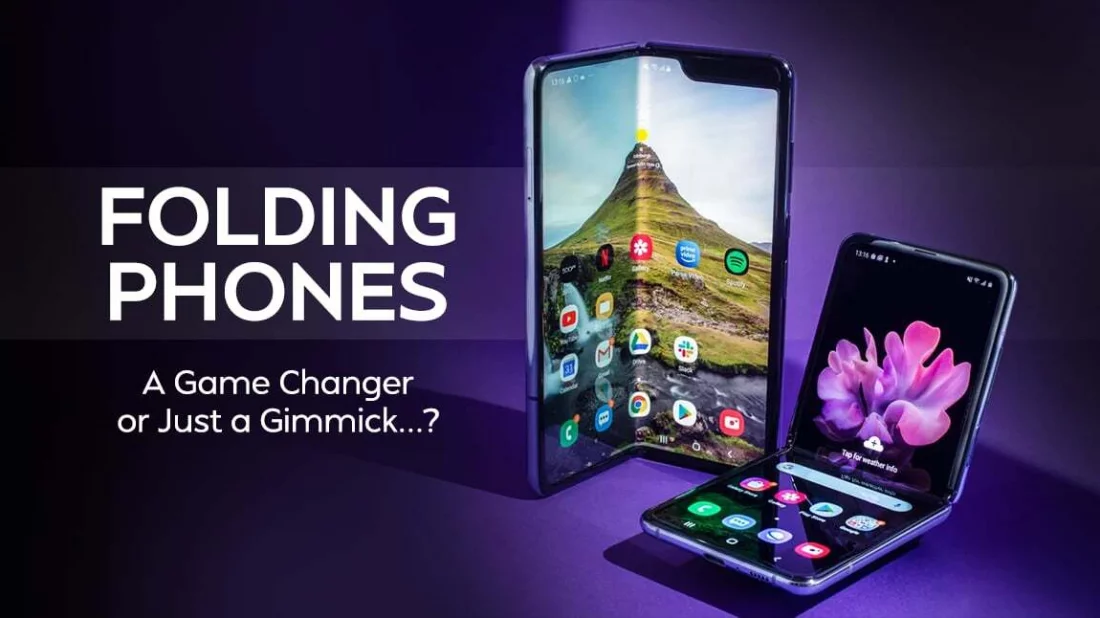
Folding Phones: A game changer or just a gimmick?
In recent years, folding smartphones have captured the imagination of tech enthusiasts and Early adopters alike, even in Bangladesh’s tech market they made a hype of the millennia. These innovative devices promise to combine the portability of a mobile phone with the expansive screen form factor of a tablet. But are folding smartphones revolutionary? Or do they make any sense at all? Are advancements in mobile phone technology leaping towards smaller chip lithographic size to better form factor, or are they just some tech mambo jumbo? Let’s delve into the world of folding smartphones to find out.
The Technology Behind Folding Smartphones
Folding smartphones are made possible by several key technological advancements. The most critical of these is the development of flexible OLED displays, which can bend and fold without breaking. These screens are paired with sophisticated hinge mechanisms that allow the smartphone to open and close smoothly. Major manufacturers like Samsung, Huawei, and Motorola have been at the forefront of this technology, each releasing their version of folding smartphones. For instance, the Samsung Galaxy Z Fold 6, OnePlus Open, Honor Magic V2 5G, and Google Pixel 9 Pro Fold are popular models that showcase the potential of this technology.
A recent addition to the market is the Huawei Mate XT Ultimate, the world’s first double-folding, or tri-fold, foldable smartphone. This innovative device can fold in multiple ways, offering unprecedented flexibility and screen real estate, making it a significant milestone in the evolution of folding smartphones.
Advantages of Folding Smartphones
One of the biggest selling points of folding smartphones is their ability to enhance multitasking. With a larger, foldable screen, users can run multiple apps side by side, making it easier to manage tasks and boost productivity. This feature is particularly appealing to business users and tech enthusiasts who need to juggle various applications simultaneously. For example, the Samsung Galaxy Z Fold 6 allows users to open up to three apps at once, making it a powerful tool for multitasking.
Despite their larger screens, folding smartphones can still fit comfortably in a pocket when folded. This makes them a convenient option for users who want the benefits of a tablet without the bulk, especially in a bustling city like Dhaka where space and convenience are key. The Motorola Razr 2024 and Motorola Razr Plus 2024, for instance, fold into compact sizes that easily fit into a pocket or small bag.
Folding smartphones represent the cutting-edge of mobile phone design. Their unique form factor and futuristic appeal make them stand out in a market saturated with traditional smartphones and iPhones. For tech-savvy individuals, owning a folding smartphone can be a status symbol and a conversation starter. The Huawei Mate XT Ultimate is known for its groundbreaking tri-fold design, offering users a versatile and expansive screen experience.
Disadvantages of Folding Smartphones
One of the main concerns of folding smartphones is their durability. The flexible screens and hinge mechanisms are more susceptible to damage compared to traditional smartphones. Issues like screen creases and hinge wear can affect the longevity of these devices, which is a significant consideration for those who seek long-lasting products. Reports of screen damage in early models like the Samsung Galaxy Fold have made some potential buyers wary.
Folding smartphones come with a premium price tag. The advanced technology and materials used in their construction make them significantly more expensive than standard smartphones. This high cost can be a barrier for many potential buyers in Bangladesh, where affordability is a crucial factor.
Another challenge is software optimization. Not all apps are designed to take full advantage of the folding screens, which can lead to a subpar user experience. Developers need to create apps that can seamlessly transition between different screen sizes and orientations. While Samsung Mobile has worked with developers to optimize apps for their folding smartphones, there is still a long way to go for widespread app compatibility.
The Future of Folding Smartphones
Looking ahead, the future of folding smartphones appears promising. Manufacturers are continually improving the durability and functionality of these mobile phones. We can expect to see advancements in hinge technology, more robust flexible screens, and better software optimization. As these improvements are made, folding smartphones are likely to become more affordable and accessible to a broader audience. Additionally, local retailers and carriers are expected to offer more financing options, making these devices more attainable for the average consumer.
Final Verdict
Folding smartphones represent a fascinating development in mobile phone technology. While they offer several compelling advantages, such as enhanced multitasking and innovative design, they also come with notable drawbacks, including durability concerns and high costs. Whether folding smartphones will become a mainstream staple or remain a niche product in Bangladesh depends on how these challenges are addressed in the coming years.